Oak City Blog
What Makes a Portable Toilet ADA Compliant?
Creating a seamless experience for every guest is the hallmark of a successful event. While floral arrangements and catering get a lot of attention, the restroom facilities can make or break an attendee’s comfort. This is especially true when it comes to accessibility. You’ve likely seen the “ADA-compliant” label, but the specifics can feel murky. So, what makes a portable toilet ADA compliant? It’s a question with a very precise answer, involving strict guidelines on everything from door width and ramp slope to the placement of sinks and grab bars. Getting it right is essential for avoiding fines and ensuring your event is truly welcoming for all.
Key Takeaways
-
Look Beyond the Sticker: True ADA compliance involves specific, non-negotiable features like a 60-inch turning radius, reinforced grab bars, and specific toilet height. These details are legally required to ensure a safe and dignified experience for every guest.
-
Plan Your Placement and Quantity: A successful event layout includes accessible restrooms. Aim for at least one ADA-compliant unit for every 20 standard ones, and ensure it’s on level ground with a clear, wide path for easy access.
-
Partner with a Pro to Avoid Risks: Choosing a reputable rental company protects you from potential fines and liability. A professional partner will provide properly maintained, genuinely compliant units and help you create a welcoming environment for all attendees.
What Makes a Portable Restroom ADA Compliant?
When you see “ADA-compliant” on a restroom rental, it means more than just being a bit larger than a standard unit. It signifies that the restroom meets specific legal requirements set by the Americans with Disabilities Act (ADA) to ensure everyone, regardless of mobility, can use it safely and with dignity. For event planners, providing accessible facilities isn’t just a thoughtful touch—it’s a crucial part of creating an inclusive experience for all your guests. Let’s break down what those requirements actually are.
Understanding Federal ADA Standards
To be officially ADA-compliant, a portable restroom has to follow strict federal standards. The interior must be spacious enough for a 360-degree wheelchair turn, which requires a clear floor space of at least 60 inches in diameter. The doorway needs to be at least 32 inches wide for easy entry and exit. Inside, the toilet is positioned to allow for easy transfer from a wheelchair, typically 16 to 18 inches from a side wall. These aren’t just arbitrary numbers; they are carefully planned dimensions that ensure genuine accessibility and independence for guests with mobility challenges.
ADA-Compliant vs. Standard: What’s the Difference?
The differences between a standard portable toilet and an ADA-compliant one are night and day. Beyond the extra space, compliant units include essential features like sturdy grab bars for support and a toilet seat set at a specific height (17-19 inches) to make sitting and standing easier. Even the door latches are designed to be operated with minimal effort. Our ADA-accessible restroom trailers include all these features and more. Skipping these requirements can lead to a poor guest experience and even potential fines for non-compliance, so it’s always best to ensure your event is welcoming for everyone.
The Anatomy of an ADA-Compliant Portable Toilet
When you see an “ADA-compliant” label on a portable restroom, it means the unit is designed to meet specific, federally mandated guidelines. These aren’t just suggestions; they are detailed requirements that ensure everyone, including individuals with disabilities, can use the facilities safely and comfortably. Unlike a standard porta potty, which is often a tight squeeze, a truly compliant restroom is built from the ground up with accessibility in mind.
Every detail, from the width of the doorway to the height of the toilet seat, is intentionally designed. This thoughtful construction provides dignity and independence for guests who use wheelchairs or other mobility aids. For event planners, understanding these features is key to creating an inclusive environment and ensuring you’re providing a genuinely accessible solution. Our ADA-accessible restroom trailers are crafted to meet these precise standards, combining full compliance with the comfort and style your event deserves. Let’s break down the specific features that make a portable restroom truly ADA compliant.
A Roomy Interior: Space and Turning Radius
The most noticeable difference in an ADA-compliant unit is its generous interior space. Federal guidelines require a clear floor space with a minimum 60-inch diameter. This isn’t arbitrary; it’s the amount of room needed for a person using a wheelchair to complete a 360-degree turn. This turning radius is essential for allowing a user to enter the restroom, close the door behind them, and position themselves comfortably to use the facilities. Without this ample space, a guest might be able to get in, but they wouldn’t be able to maneuver properly, defeating the purpose of an accessible unit.
Easy Entry: Doorway and Handle Specs
Accessibility starts at the entrance. An ADA-compliant portable restroom must have a doorway that is at least 32 inches wide to accommodate a standard wheelchair without difficulty. The threshold must also be flat or have a built-in ramp, eliminating any steps or lips that could create a barrier. Beyond the width, the door handle is designed for ease of use. It should be operable with one hand and not require tight grasping, pinching, or twisting of the wrist. This ensures that guests with limited hand strength or mobility can open and secure the door independently and with confidence.
Accessible Seating: Toilet Height and Placement
Inside the unit, the toilet itself is designed for accessibility. According to the Americans with Disabilities Act, the toilet seat must be between 17 and 19 inches from the floor. This specific height range makes it easier for a person to transfer from a wheelchair to the toilet and back again. A standard toilet is often much lower, which can make this transfer difficult or unsafe. The placement of the toilet within the restroom is also regulated to ensure there is adequate clear space on the sides for a wheelchair to pull up alongside it.
Sturdy Support: Grab Bar Essentials
Grab bars are a non-negotiable feature in any ADA-compliant restroom. These reinforced bars are strategically placed on the walls next to and behind the toilet to provide crucial support and stability. They are designed to help users safely lower themselves, stand up, and maintain their balance while transferring to and from a wheelchair. The size, placement, and strength of these grab bars are all specified by ADA standards to ensure they are reliable, easy to reach, and can support a person’s full weight. They are a simple but vital component for ensuring user safety and independence.
Must-Have Features for Guest Accessibility
True accessibility goes beyond just meeting basic requirements; it’s about creating an environment where every single guest feels comfortable, safe, and considered. When you’re planning an event, the small details in your restroom facilities can make a huge impact on the overall guest experience. From the moment they approach the restroom to the second they leave, the design should be intuitive and supportive. These features ensure that your event is genuinely welcoming for people with mobility challenges, parents with young children, and anyone who just appreciates a little extra room and security. It’s about anticipating needs before they arise, so no one has to feel like an afterthought.
Thinking through these details is what separates a good event from a great one. It shows your guests that you care about their comfort on every level. Our ADA-accessible trailers are designed with these thoughtful details in mind, ensuring every feature contributes to a seamless and dignified experience. We believe that luxury and accessibility should go hand-in-hand, providing a clean, private, and easy-to-use space for everyone. Let’s look at the specific elements that make a restroom trailer not just compliant, but truly accessible for everyone you’ve invited.
Clear Floor Space for Easy Movement
One of the most critical components of an accessible restroom is having enough open space. For anyone using a wheelchair or other mobility device, being able to enter, turn around, and use the facilities without feeling cramped is essential. The official ADA standards require a clear floor space with at least a 60-inch diameter, which creates a sufficient turning circle. This isn’t just about checking a box; it’s about providing genuine freedom of movement. This generous space ensures guests can navigate the interior comfortably and independently, making their experience smooth and stress-free from start to finish.
User-Friendly Sinks and Dispensers
Every touchpoint inside the restroom should be easy to use for people with varying levels of mobility and dexterity. This includes sinks, soap dispensers, and paper towel holders that are installed at a reachable height and can be operated with one hand or a closed fist. The door handles and locks should also be designed for easy gripping, without requiring tight grasping or twisting. These features might seem minor, but they empower guests to use the facilities with complete independence. When every element is thoughtfully placed and designed, it shows you’ve considered the needs of every person at your event.
Clear and Correct Signage
Accessibility starts before your guests even open the door. Clear, high-contrast signage is crucial for helping everyone quickly identify the accessible restrooms. The universal symbol of accessibility should be prominently displayed, making it easy to spot from a distance. This simple feature prevents confusion and saves guests the potential discomfort of having to ask for directions or search for the right facility. Good signage is the first signal that you’ve created an inclusive event, letting guests know immediately that their needs have been anticipated and met.
Safe and Secure: Non-Slip Flooring
Safety is a non-negotiable part of accessibility. Restroom floors can easily become wet, creating a potential hazard for any guest, but especially for those with mobility challenges. That’s why ADA-compliant restrooms must have non-slip flooring. This textured surface provides secure footing and significantly reduces the risk of slips and falls, even in damp conditions. Choosing a restroom trailer with this feature demonstrates a commitment to your guests’ well-being. It ensures that everyone can move about the space with confidence, knowing that their safety has been made a top priority.
How Many ADA-Compliant Restrooms Do You Need?
Figuring out the right number of restrooms for an event can feel like a puzzle, and adding accessibility to the mix is a crucial piece. It’s not just about checking a box; it’s about creating a welcoming and comfortable environment for every single guest. The number of ADA-compliant restrooms you’ll need depends on your event size, type, and location. Whether you’re planning a wedding, managing a construction site, or hosting a festival, getting this number right ensures everyone can participate fully and safely. Let’s break down the guidelines to make it simple.
Calculating for Your Guest Count
When planning a public event like a festival, wedding, or corporate function, a good rule of thumb is that at least 5% of your portable restrooms should be ADA-compliant. Think of it this way: for every 20 standard units, you should have at least one accessible option. Even if your event is smaller and only requires a few restrooms, providing at least one ADA-compliant unit is essential for inclusivity. This simple step shows your guests that you’ve considered their needs from the start. Our ADA-accessible restroom trailers are designed to offer comfort and style, ensuring your accessible facilities are just as luxurious as the rest.
Rules for Workplaces and Job Sites
The requirements for a workplace or construction site are a bit different and more specific. For job sites, the standard guideline is to provide one ADA-compliant portable toilet for every 10 employees working a 40-hour week. This ensures that all team members, regardless of physical ability, have safe and convenient access to facilities throughout their workday. It’s a key part of maintaining a compliant and respectful work environment. Proper facilities are fundamental to employee morale and productivity, and meeting these standards is a non-negotiable part of site management.
A Simple Ratio Guide for Any Venue
If you’re looking for a straightforward guideline that works for almost any situation, stick to the 5% rule. This means at least one out of every twenty portable restrooms should be an ADA-compliant unit. It’s an easy ratio to remember and apply as you plan. However, always consider your specific audience. If you anticipate a higher number of guests who may need accessible facilities, it’s always a thoughtful gesture to provide more than the minimum. When you’re unsure, it’s best to err on the side of caution to ensure everyone feels accommodated. If you need help determining the perfect number for your event, we’re always here to give you a hand.
Where to Place Your ADA-Compliant Restrooms
Once you’ve chosen the right ADA-compliant restroom trailer, the next crucial step is deciding where to put it. Placement is about more than just finding an open spot; it’s about ensuring genuine accessibility and convenience for every single guest. The best location is one that is easy to find, safe to get to, and simple to use for individuals with mobility challenges. Think about the entire guest journey, from their arrival to the moment they need the facilities.
A thoughtfully placed restroom shows your guests that you’ve considered their needs from every angle. You’ll want to find a location that is on level ground, has a clear path leading to it, and is integrated seamlessly into your event’s layout. This ensures that guests who require accessible facilities don’t have to go on a difficult trek to find them. Proper placement makes your event feel more inclusive and professional, guaranteeing a comfortable experience for everyone you’ve invited. At Oak City Restrooms, we handle the delivery and setup, but planning the perfect spot ahead of time makes the whole process run smoothly.
Ensuring a Clear and Accessible Path
The path to the restroom is just as important as the restroom itself. Make sure the route from the main event area is wide, free of obstacles like cords or decorations, and smooth enough for a wheelchair or walker. Federal standards recommend a clear floor space with a 60-inch diameter to allow for a full turning radius for a wheelchair. While this applies to the interior, it’s a great guideline for the exterior approach, too. When you’re doing a walkthrough of your venue, imagine the path from a guest’s perspective. Is it well-lit for an evening event? Is it clearly marked? An accessible path is the first step to a truly inclusive experience.
Stable Ground and Necessary Ramps
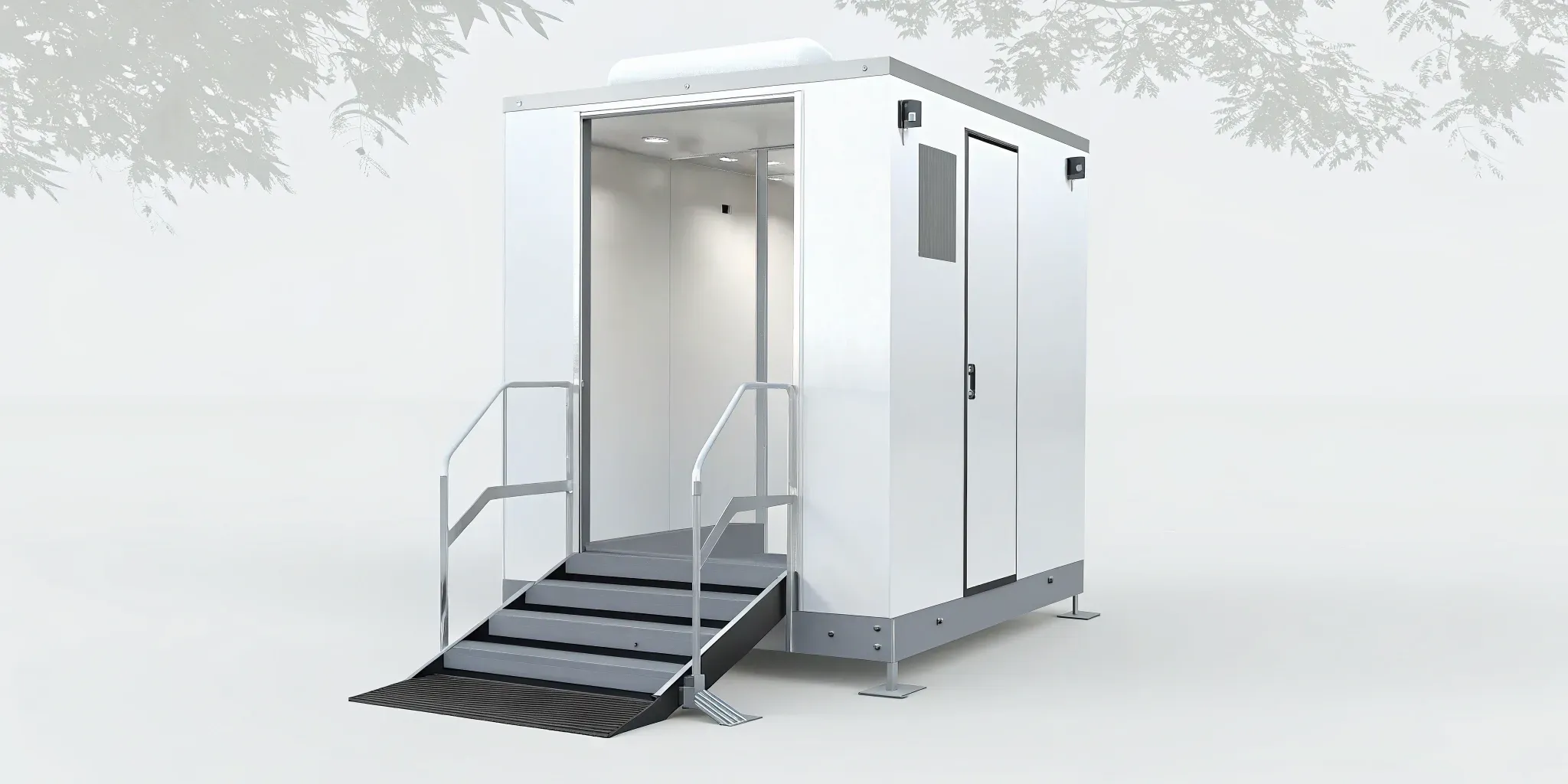
For a restroom trailer to be safe and accessible, it needs to be placed on solid, level ground. Pavement or hard-packed dirt is ideal, while soft grass or uneven terrain can create instability. Our ADA-accessible trailers come equipped with sturdy, compliant ramps, but they need a stable base to function correctly. The ramp slope should not be steeper than a 1:12 ratio—meaning one inch of rise for every 12 inches of length—to ensure a gentle incline. We also make sure all surfaces are non-slip to prevent accidents, especially in wet weather. When we arrive, our team will ensure everything is perfectly level and secure before your first guest arrives.
Smart Placement for Guest Convenience
Where you place your restrooms can impact the flow and feel of your entire event. You want them to be easy to find without being the center of attention. A good rule of thumb for public events is to ensure at least 5% of your portable restrooms are ADA-compliant. It’s best to place the ADA unit alongside your other restroom trailers so all guests can use the facilities in the same area. This approach promotes inclusivity and makes it simple for families or caregivers who may need to assist someone. When you discuss your event layout with us, we can help you find a spot that balances convenience, privacy, and accessibility.
Common ADA Compliance Mistakes to Avoid
Planning an event means juggling a million details, and it’s easy for something to slip through the cracks. When it comes to restroom accessibility, however, a small oversight can create a huge barrier for your guests. The good news is that these common mistakes are entirely preventable when you know what to look for.
Ensuring every guest feels welcome and comfortable is the hallmark of a great host. That means providing facilities that are not just technically compliant, but genuinely accessible and pleasant to use. From having the right number of units to placing them thoughtfully, getting these details right makes all the difference. Let’s walk through the most frequent missteps so you can sidestep them with confidence and create an inclusive experience for everyone.
Not Renting Enough Units
One of the most common errors is simply not having enough accessible restrooms. For public events, a general rule of thumb is that at least 5% of your portable toilets should be ADA-compliant. However, this is just a starting point. Think about your specific guest list. If you know a larger number of guests will need accessible facilities, it’s always better to have more than you think you need. Underestimating the demand can lead to long waits and discomfort, which is the last thing you want your guests to remember. Our ADA-accessible 3-station trailer provides a spacious and comfortable solution that helps you meet and exceed guest expectations.
Poor Placement and Blocked Paths
An ADA-compliant trailer is only useful if guests can actually get to it. Some event layouts show little regard for the path a person using a wheelchair or walker must take. Placing an accessible restroom at the far end of a grassy, uneven field or behind a maze of cables creates an obstacle course, not an accessible route. Always ensure there is a clear, wide, and stable path leading to the restroom entrance. Consider the entire journey from the parking area or main event space. Thoughtful placement shows you’ve considered the experience of every single guest, from arrival to departure.
Overlooking Key Features or Cleaning
Compliance is in the details. It’s not enough for a unit to be large; it must be properly equipped. We’ve all seen it: grab bars mounted at awkward heights or flimsy fixtures that don’t feel secure. These details can compromise safety and accessibility. Beyond the features, cleanliness is critical. An otherwise perfect unit becomes unusable if it’s not regularly serviced and restocked throughout your event. When you choose a rental partner, you should feel confident that their equipment is impeccably maintained and all features are installed correctly for guest safety and comfort.
Forgetting Proper Signage
Clear and correct signage is essential for accessibility, yet it’s often forgotten. Guests need to be able to easily identify which restrooms are ADA-compliant from a distance. Each accessible unit must be marked with the International Symbol of Accessibility. This simple step is crucial for guiding users and preventing confusion or frustration. Without proper signage, guests may not even realize an accessible option is available to them. When you work with a professional service, they’ll ensure all necessary signage is in place so you have one less thing to worry about.
The Risks of Skipping ADA Compliance
When you’re juggling a hundred different event details, it can be tempting to treat restroom rentals as just another item to check off the list. But accessibility isn’t a corner you can afford to cut. Overlooking ADA compliance doesn’t just create a poor experience for some of your guests; it can expose you to serious financial and legal trouble. Ensuring every guest feels welcome and comfortable is the goal, and following accessibility standards is a critical part of getting there. By understanding the risks, you can protect your event, your reputation, and your budget.
Fines and Financial Penalties
Let’s be direct: failing to provide ADA-compliant facilities can be expensive. Government regulations aren’t suggestions—they’re enforceable rules designed to ensure equal access for everyone. If your event is found to be non-compliant, you could face significant fines. These penalties aren’t just a minor inconvenience; they can be substantial enough to impact your event’s budget or your company’s bottom line. Think of compliance as an investment in your event’s success. Providing a properly equipped ADA-accessible restroom trailer from the start is a straightforward way to avoid these unnecessary financial headaches and show every guest they are valued.
Legal Action and Liability
Beyond government fines, skipping ADA compliance opens you up to potential lawsuits. If a person with a disability cannot access the restrooms at your event, they may have grounds for legal action. This puts you, your company, or your client in a vulnerable position. The general rule of thumb is that at least 5% of your portable restrooms (or a minimum of one unit) must be ADA-compliant. Meeting this standard is essential for creating an inclusive environment and protecting yourself from liability. It’s about more than just following the law; it’s about doing the right thing for your guests and safeguarding your event from legal disputes.
Meeting OSHA Standards on the Job
The need for accessibility extends beyond parties and weddings to workplaces and construction sites. The Occupational Safety and Health Administration (OSHA) has strict regulations for job site sanitation to protect workers. If your site lacks proper ADA-compliant facilities, you could face OSHA penalties that can climb into the thousands of dollars for each violation. Providing accessible restrooms ensures every member of your crew has safe and appropriate facilities, keeping your project compliant and your team respected. It’s a fundamental part of maintaining a safe and professional work environment for everyone on site.
ADA Restroom Trailers: A Step Above Standard Units
When you’re planning an event, ensuring every guest feels welcome and comfortable is a top priority. While standard ADA-compliant portable toilets meet the legal minimums, they often fall short when it comes to the actual guest experience. This is where ADA restroom trailers truly shine. They take accessibility from a simple checkbox item to a thoughtful, integrated part of your event’s hospitality, creating an environment that feels genuinely inclusive.
Instead of a basic plastic unit, you can offer a private, spacious, and climate-controlled space that feels more like a permanent indoor restroom. This upgrade makes a significant difference, especially for guests with mobility challenges, older attendees, or families with young children who need a bit more room. For weddings, corporate functions, and upscale festivals across North Carolina, providing a luxury restroom trailer shows a level of care and attention to detail that reflects the quality of your entire event. It moves beyond simple compliance and focuses on genuine comfort, ensuring every single person feels valued and catered to from the moment they arrive. It’s an investment in your guests’ experience that they will notice and appreciate.
A Focus on Comfort and True Accessibility
True accessibility is about more than just having a ramp. It’s about creating a space where guests with disabilities can manage their needs with dignity and ease. Our ADA restroom trailers are designed with this in mind. They feature sturdy grab bars for support, toilet seats set at a comfortable height of 17–19 inches, and easy-to-use, accessible door latches. These thoughtful details ensure that every guest can use the facilities safely and independently. It’s a commitment to providing a genuinely comfortable experience, not just meeting a requirement.
Climate Control and Other Luxuries
Let’s be honest: no one enjoys using a stuffy, sweltering portable toilet on a hot North Carolina day. Our ADA-accessible trailers eliminate that discomfort entirely with full climate control, offering refreshing air conditioning in the summer and cozy heat during cooler months. Beyond temperature, these units feature flushing toilets, sinks with running water, and bright interior lighting. This creates a clean, fresh, and pleasant environment that leaves a lasting positive impression on your guests, ensuring their comfort no matter the weather.
More Space, Better Guest Experience
Space is a key component of accessibility, and our trailers are designed to be roomy and easy to move around in. An ADA-compliant unit must have a clear floor space with a 60-inch diameter, allowing someone in a wheelchair to complete a full turn. This generous layout isn’t just for wheelchair users; it’s also a huge benefit for parents assisting small children or anyone who simply appreciates not feeling confined. The spacious design ensures that all guests can navigate the restroom comfortably, contributing to a seamless and positive event experience for everyone.
How to Choose the Right ADA Restroom Rental
Choosing an ADA-compliant restroom for your event is about more than just checking a box. It’s about creating a welcoming and comfortable experience for every single guest. The right rental partner will make this process straightforward, ensuring you have facilities that are not only compliant but also clean, reliable, and pleasant to use. When you start your search, focus on a few key areas to find a company that understands the importance of true accessibility and exceptional service. By asking the right questions upfront, you can protect your event from legal risks and ensure all your guests feel valued.
Ask for Proof of Compliance
First things first, make sure the restroom trailer you’re renting is genuinely ADA compliant. “ADA compliant” is a legal standard with specific requirements, not just a sticker on a door. A professional rental company should be able to easily provide documentation or confirm that their units meet all federal ADA standards. Don’t hesitate to ask for this proof. Failing to provide compliant facilities can lead to serious legal issues, including hefty fines. Verifying compliance from the start is the easiest way to protect your event and ensure you’re providing safe, accessible accommodations for your guests.
Vet Your Rental Company’s Service
The quality of the company is just as important as the quality of the restroom. You want a partner who is knowledgeable and reliable. A good provider will understand the regulations, such as the general rule of thumb that at least 5% of your portable restrooms should be ADA-compliant for public events. Look for a company with a proven track record and positive reviews. You can learn a lot about a company’s commitment to quality and customer care by reading about their story and mission. A team that is proud of their company history is more likely to deliver excellent service on your big day.
Confirm the Cleaning and Maintenance Plan
A restroom is only truly accessible if it’s clean and well-maintained. A cluttered or dirty space can create barriers for guests with mobility challenges, even if the unit itself is compliant. Before you sign a contract, ask about the company’s cleaning and maintenance plan. How often will the unit be serviced during your event? What is the protocol if supplies run low or an issue arises? A clear, proactive plan shows that the company is committed to guest comfort. Make sure you have a reliable point of contact who can provide support throughout your event, ensuring the facilities remain pristine from start to finish.
Related Articles
Frequently Asked Questions
Is there a difference between “handicap-accessible” and “ADA-compliant”? Yes, and it’s an important distinction. While any larger portable toilet might be called “accessible,” the term “ADA-compliant” means the unit is legally required to meet specific federal standards. These rules dictate everything from the interior turning radius for a wheelchair to the exact height of the toilet and placement of grab bars. Choosing a truly compliant unit ensures you’re providing a safe, functional, and dignified space for all your guests, not just a bigger box.
How do I figure out how many ADA restrooms my event needs? A great starting point for public events is the 5% rule, which means at least one of every twenty restrooms should be ADA-compliant. If you’re only renting a few trailers, you should still have at least one accessible option. However, always think about your specific guests. If you know you’ll have a number of attendees who would benefit from the extra space and features, it’s always a thoughtful gesture to provide more than the minimum.
Why should I choose an ADA restroom trailer over a standard plastic porta potty? An ADA restroom trailer offers a completely different level of comfort and care for your guests. Instead of just meeting the basic requirements, it provides a much better experience with features like climate control, flushing toilets, sinks with running water, and proper lighting. The spacious, clean interior feels more like a permanent restroom, which makes a huge difference for guests with mobility challenges, older attendees, or parents with children.
Where is the best place to put the restroom trailer at my venue? Placement is key to making your restroom truly accessible. You’ll want to choose a spot on solid, level ground that has a clear, wide, and smooth path leading to it from the main event area. Avoid putting it on soft grass or uneven terrain. It’s also a good idea to place the ADA trailer near your other restroom units so that all guests can use the facilities in the same general location, which feels more inclusive.
What are the biggest risks if I skip ADA compliance? Failing to provide proper accessible facilities can lead to serious problems. For one, you could face significant fines for not following federal regulations. It also opens you to potential legal action if a guest is unable to use the restrooms at your event. Beyond the legal and financial risks, it creates a poor and exclusionary experience for your guests, which can damage your event’s reputation.
Need Restrooms for Your Next Event?
We deliver luxury restroom trailers across North Carolina with fast setup and spotless service.